
Safety Guidelines
Safety Guidelines for Operating in Waterways
Operating in waterways requires strict adherence to safety guidelines to ensure the well-being of all participants and the protection of the environment. First and foremost, always wear a personal flotation device (PFD) when on or near water. This is crucial, as it significantly reduces the risk of drowning. Ensure that your PFD is appropriate for your weight and size, and check it regularly for any signs of wear or damage.
Before setting out, familiarize yourself with the local regulations and navigation rules. Each body of water may have specific guidelines regarding speed limits, no-wake zones, and areas designated for swimming or fishing. Additionally, it is essential to check the weather conditions and water levels, as sudden changes can create hazardous situations.
When operating a vessel, maintain a safe distance from other boats, swimmers, and wildlife. This not only prevents collisions but also minimizes disturbances to aquatic life. Always keep a lookout for obstacles, such as buoys, rocks, and fallen trees, which can pose a danger to navigation.
Make sure your vessel is equipped with all necessary safety equipment, including a fire extinguisher, signaling devices, and first aid kits. It’s also wise to carry extra supplies like water, food, and a means of communication in case of emergencies. Before you leave, conduct a thorough safety check of your equipment and ensure that everyone on board knows how to use it.
Finally, promote responsible behavior among all participants. This includes discouraging reckless actions such as jumping from moving boats or engaging in excessive speed. Educate everyone about the importance of keeping the waterways clean and respecting wildlife habitats. By following these safety guidelines, we can all enjoy our time on the water while ensuring a safe and enjoyable experience for everyone involved.
Safety Training
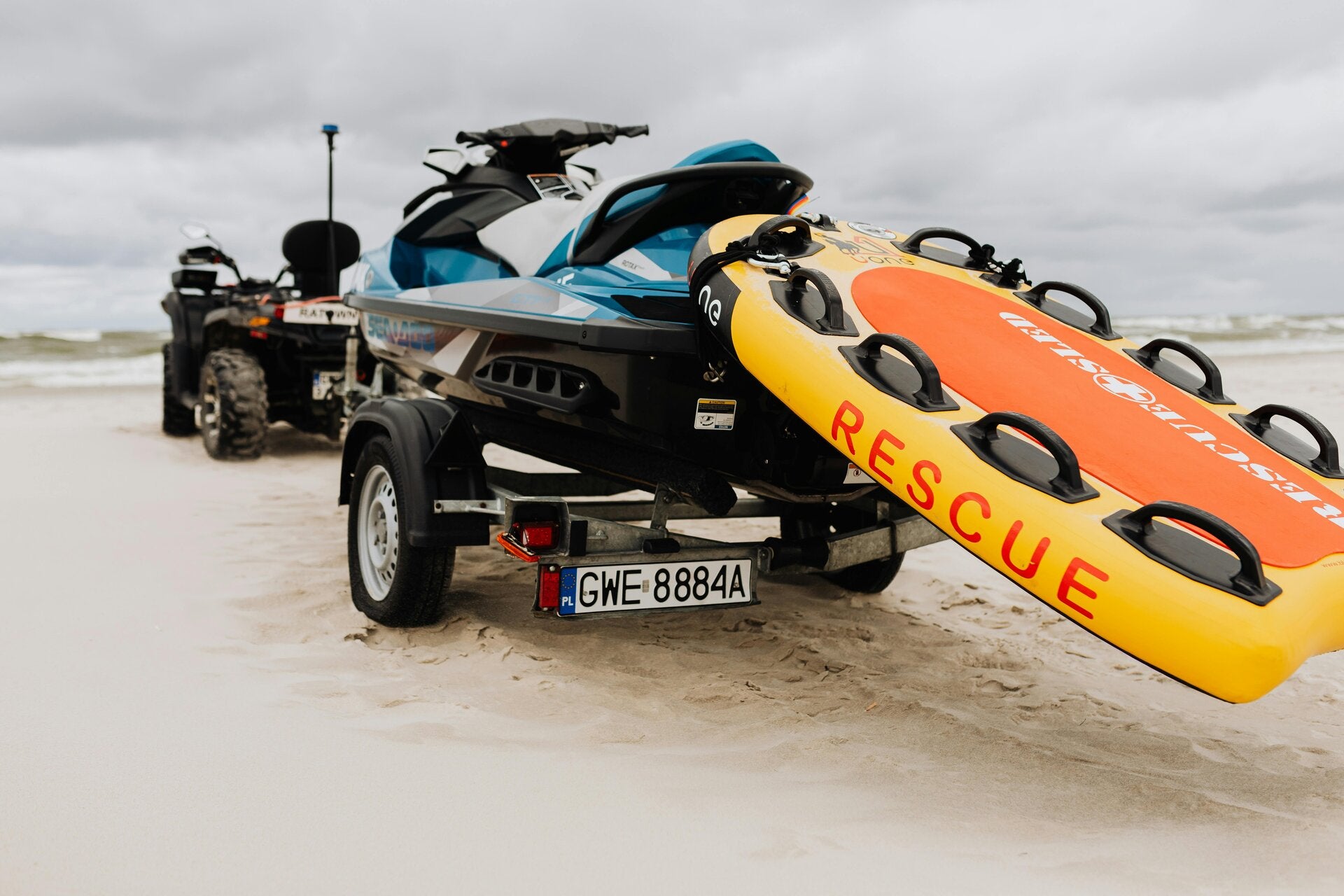
Before renting a Jet Ski from Adrenaline Aquatics, all customers must undergo safety training. Our experienced staff will provide you with essential safety information and guidelines to ensure a secure ride. Please Review the safety video below

Equipment Requirements
It is mandatory for all riders to wear a life jacket and a helmet while operating a Jet Ski. We also recommend using a safety flag to enhance visibility on the water. Our rental packages include all necessary safety equipment for your convenience.
License Requirement
In compliance with Oregon state law, all Jet Ski operators must possess a valid Driver's license and automobile insurance. These documents certify that you are trained and knowledgeable about operating a personal watercraft safely. Children under the age of 16 may be accompanied with a licensed adult.
Safety: Number One Priority
In today’s fast-paced world, safety is our top priority. At home, work, or on the road, prioritizing safety prevents accidents and saves lives. We must adopt measures that protect ourselves and those around us, including following guidelines, using protective equipment, and staying aware of our surroundings. By fostering a safety culture, we create environments where everyone feels secure. Remember, safety is not just a checklist; it’s a mindset requiring constant attention.